

REIMA Koralli basutės vaikams Lilac Amethyst
€39.95
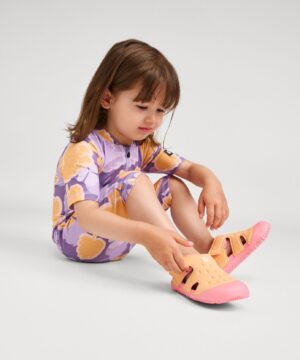
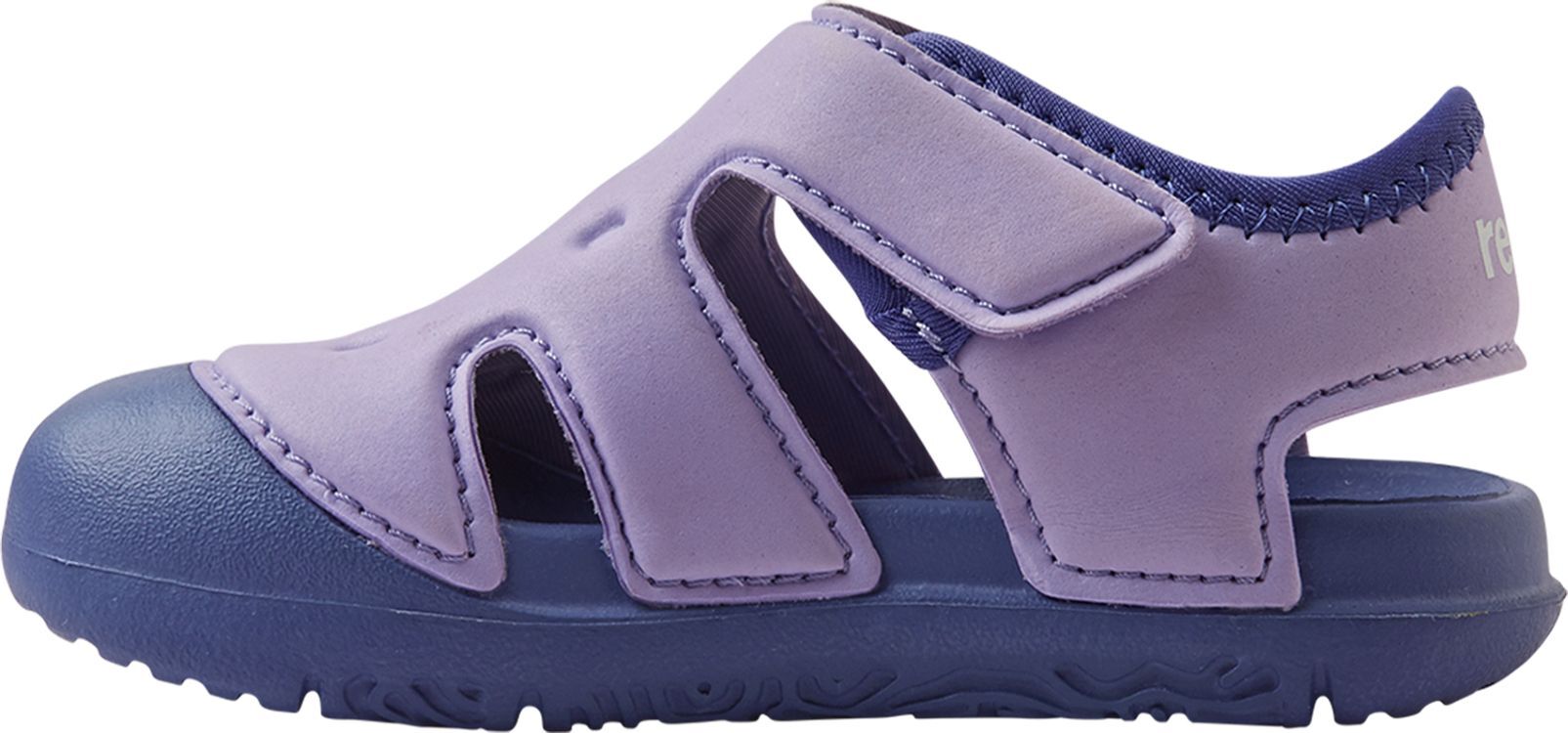
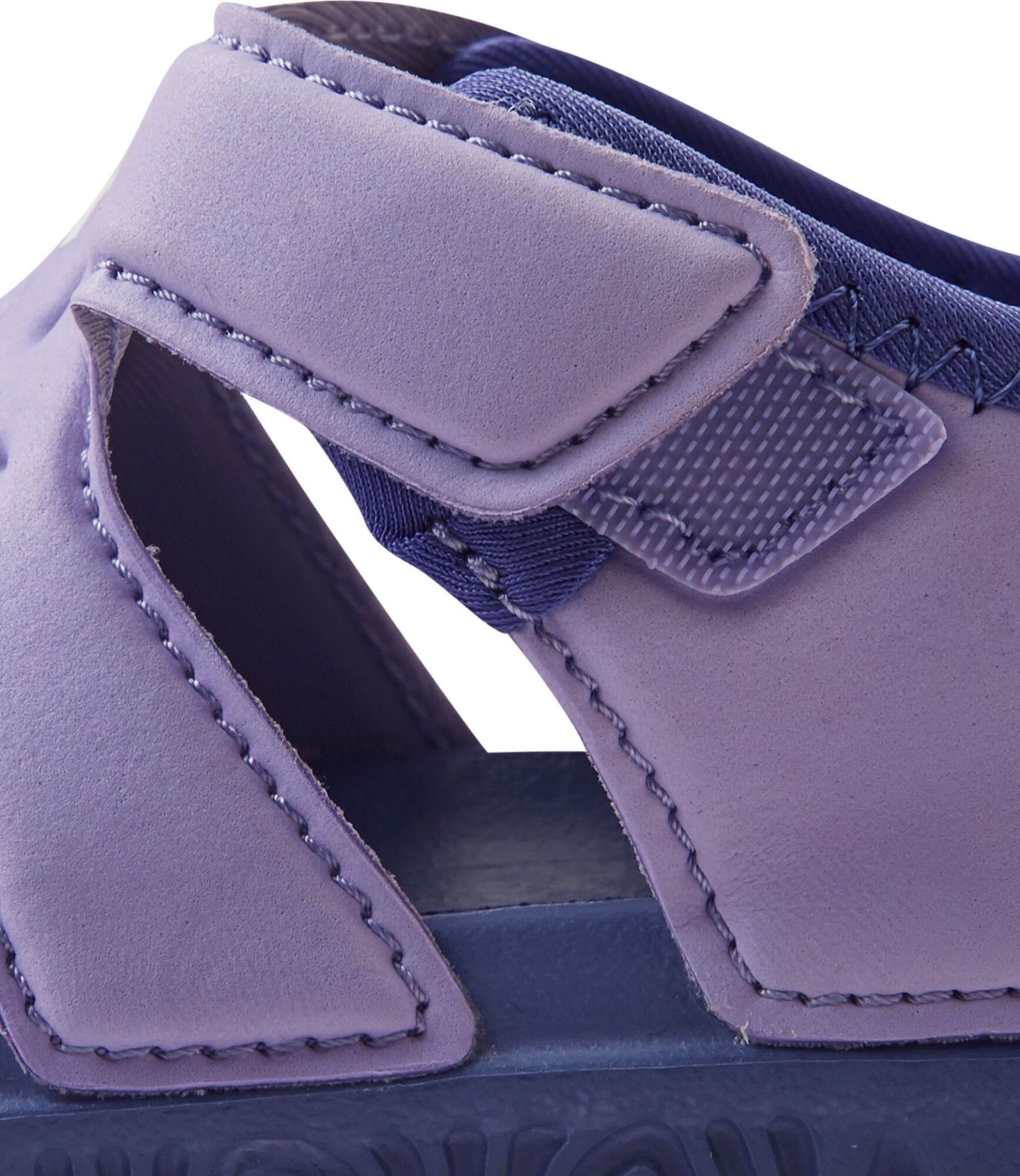
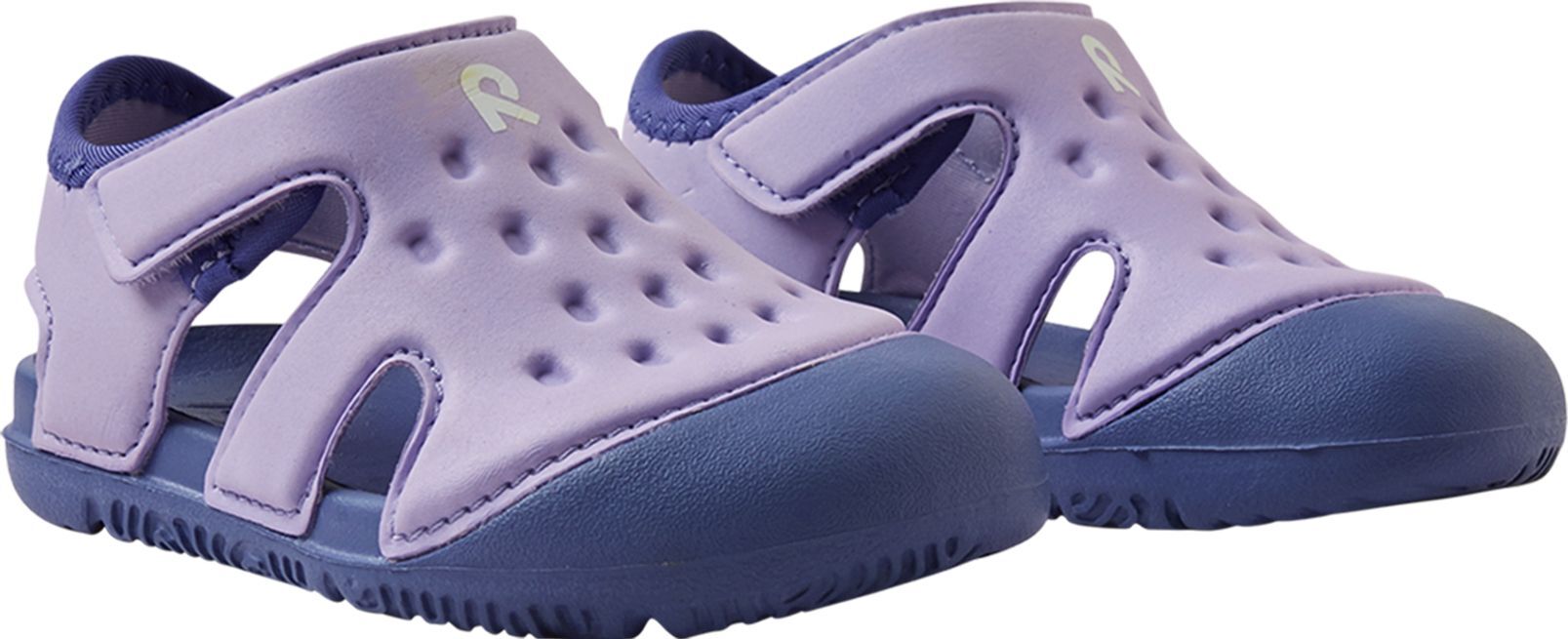
REIMA Koralli – itin lengvos, vandeniui pritaikytos basutės vaikams. Greitai džiūstantis viršus, platus priekis kojų pirštams ir lipukai, kuriuos vaikas užsisega pats.
Parašysime vieną kartą, kai šis dydis grįš. Adreso niekam neperduodame.
REIMA Koralli basutės vaikams – lengvos ir pritaikytos vandeniui
Vasarą vaikai nesustoja: braido po balas, laksto paplūdimiu, tyrinėja upelius. REIMA Koralli basutės kaip tik tam ir sukurtos – jos nepaprastai lengvos, greitai džiūsta ir netrukdo žaisti nei sausumoje, nei vandenyje.
Kodėl verta rinktis šias basutes?
- Greitai džiūstantis viršus – pagamintas iš tekstilės ir sintetinių medžiagų, todėl po braidymo basutės greitai vėl būna sausos.
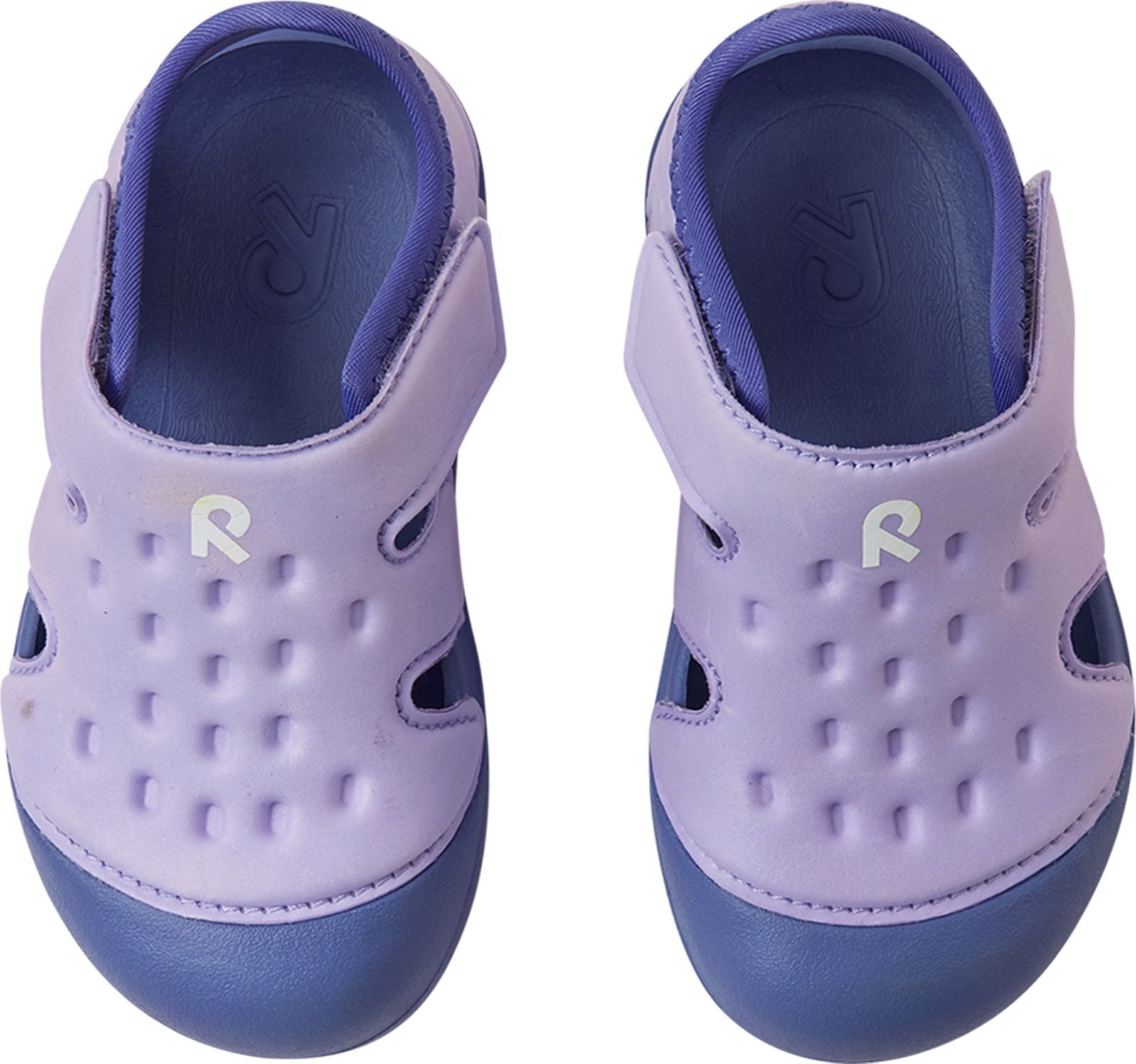
- Platus priekis – kurpalius erdvus, kojų pirštams netrūksta vietos.
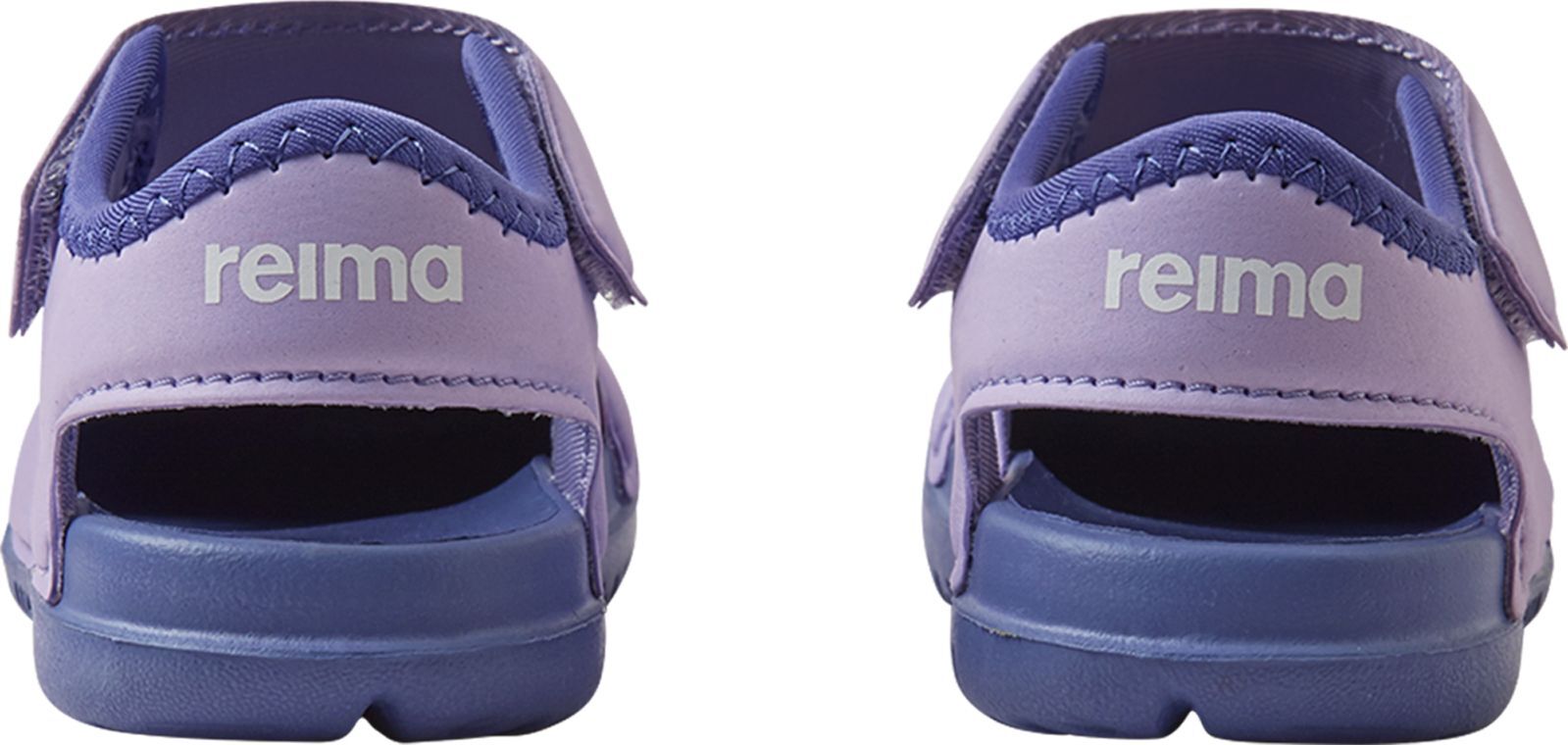
- Lipukai dviejose vietose – vaikas užsisega ir nusiauna pats, o basutė tvirtai laikosi ant kojos.
- Apsauginė nosies detalė – padas priekyje pastorintas, todėl pirštai apsaugoti nuo smūgių.
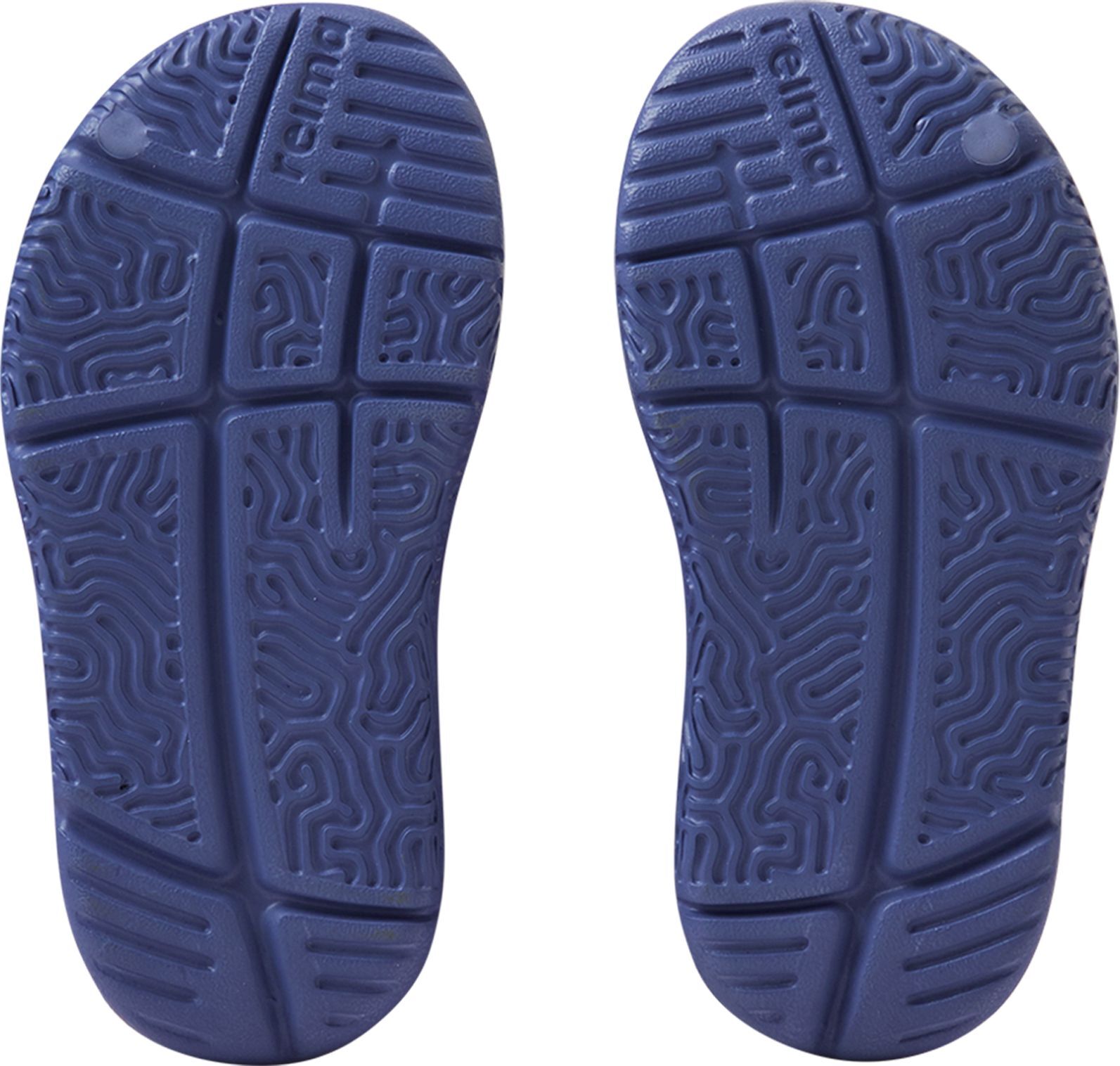
- Lankstus EVA padas – lengvas ir minkštas, leidžia kojai natūraliai lankstytis.
- Veganiškas gaminys – be gyvūninės kilmės medžiagų, be PVC ir be fluorangliavandenilių.
Priežiūra
Basutes galima skalbti skalbyklėje švelniu režimu 30 °C temperatūroje. Prieš skalbdami užsekite lipukus – taip jie nesikabins už audinio ir ilgiau tarnaus.
Ką verta žinoti
Kaip ir bet kuris kitas apavas, šios basutės gali slysti ant šlapių plytelių, todėl prie baseino jos nėra tinkamiausias pasirinkimas. Lauke, paplūdimyje ar kieme – kaip tik.
| Dydžiai | |
|---|---|
| Gamintojas | |
| Color | |
| Skirta | Vaikams |
Rašyti atsiliepimą gali tik prisijungę pirkėjai, kurie yra įsigiję šį produktą.
Panašūs produktai
Liko 1 dydis iš 1
Original price was: €99.99.€66.99Current price is: €66.99.
Liko 2 dydžiai iš 2
Original price was: €69.95.€47.47Current price is: €47.47.
Liko 1 dydis iš 3
Original price was: €69.95.€47.47Current price is: €47.47.
Liko 2 dydžiai iš 5
Original price was: €99.99.€66.99Current price is: €66.99.
Atsiliepimai
Atsiliepimų dar nėra.